

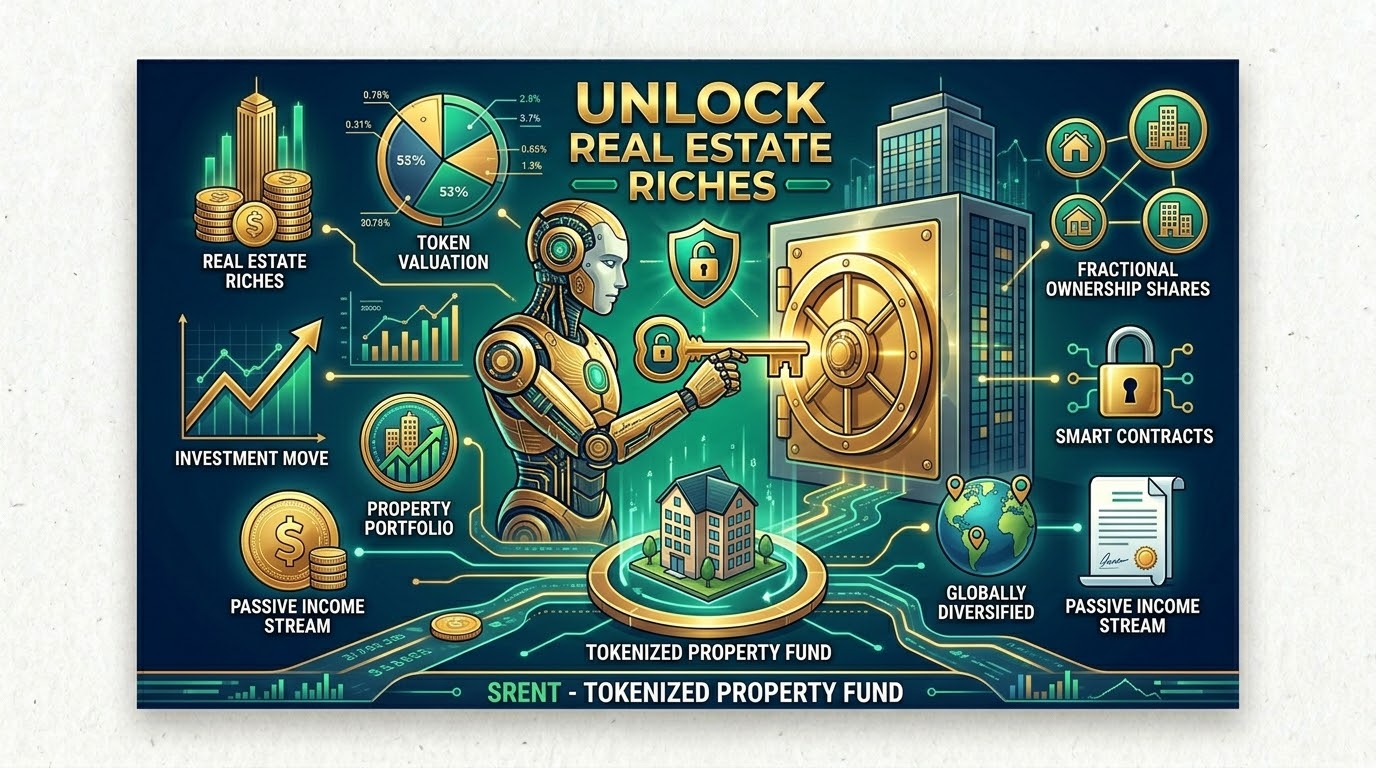
Hey there! Ever thought about investing in real estate but felt like the entry price was just too darn high? Or maybe you’ve got some property you’d love to make more money from, but selling it feels like a huge hassle. Well, get ready, because we’re about to talk about something super exciting: real estate tokenization. It’s changing the game for investors and property owners alike, making it easier and more accessible than ever before.
Think of it like this: instead of buying a whole building, you can now buy a small digital piece of it, like a digital share. This is all thanks to blockchain technology. It’s making real estate, which used to be pretty stuck in its ways, way more flexible and open to everyone. We’re seeing this trend really pick up steam, and it’s a huge deal for anyone interested in finance and property.
What Exactly is Real Estate Tokenization?
So, what’s the big idea behind real estate tokenization? Basically, it’s the process of turning ownership rights in a physical property into digital tokens. These tokens live on a blockchain, which is like a super secure digital ledger. Each token represents a small piece of ownership, or a fraction, of that property.
Imagine a big apartment complex. Instead of one person or company owning it all, it can be divided into thousands of tokens. You could then buy just a few of those tokens, giving you a small slice of ownership and a share in any rental income or profits. This makes it possible for folks with much smaller budgets to get into the property market. It’s a fantastic way to democratize real estate investment. For more on innovative financial solutions, check out Nova Astrax.
Fractional Ownership: Owning a Piece of the Pie
The most significant part of tokenization is fractional ownership. Traditionally, if you wanted to invest in a prime piece of real estate, you’d need a massive down payment and deal with a lot of paperwork. Now, with tokenization, that barrier is gone. You can own a fraction of a high-value property without needing a fortune.
This also means you can spread your investment across many different properties. Diversification is key in investing, and tokenization makes it much easier to build a varied portfolio. You’re not putting all your eggs in one basket anymore. It’s a smart way to manage risk and potentially boost your returns.
The Big Benefits for Investors
Why is everyone getting so excited about tokenized real estate? The advantages are pretty compelling, especially for individual investors looking for new opportunities.
Improved Liquidity: Turning Bricks into Cash
Real estate has always been known for being “illiquid.” This means it can be hard and take a long time to sell a property and get your cash back. Traditional sales involve a lot of steps, paperwork, and waiting. Tokenized real estate, however, acts more like stocks or cryptocurrencies. Because the ownership is digital and recorded on a blockchain, these tokens can be traded much more easily on specialized digital exchanges.
This means you could potentially sell your share of a property much faster than selling a whole building. This “stock-like” liquidity makes real estate a more attractive investment for people who need or want to access their funds more quickly. It truly transforms “bricks and mortar” into a more dynamic asset.
Accessibility and Lower Entry Barriers
As we touched on, tokenization dramatically lowers the amount of money needed to invest in real estate. Instead of needing hundreds of thousands of dollars for a down payment, you might be able to start investing with as little as $50 or $100. This opens the door to real estate investment for a whole new generation of investors, including younger individuals and those who may not have significant capital.
It’s not just about affordability, though. Tokenization also simplifies the investment process. Many platforms offer user-friendly interfaces, making it easier to browse opportunities, invest, and manage your holdings. This increased accessibility is a massive win for financial inclusion.
Enhanced Transparency and Security
Blockchain technology is inherently transparent and secure. Every transaction involving a tokenized property is recorded on an immutable ledger. This means that ownership records and transaction histories are virtually impossible to tamper with or falsify. Buyers and sellers can easily verify details, leading to greater trust and reduced risk of fraud.
Smart contracts, which are automated agreements executed on the blockchain, also play a big role. They can automate things like rental income distribution, making the process more efficient and transparent. For instance, rental income can be automatically sent to token holders’ digital wallets without manual intervention. This level of transparency and automated efficiency is a game-changer.
How Developers and Owners Benefit Too
It’s not just investors who win with tokenization. Property owners and developers also see significant advantages.
Faster Capital Formation
For developers looking to fund new projects, tokenization offers a faster way to raise capital. Instead of relying solely on traditional bank loans or lengthy fundraising rounds, they can issue digital tokens representing shares in their development. This process can be quicker and more flexible, allowing projects to move forward with less delay. This is especially helpful for innovative projects that might not fit the mold of traditional lenders.
Increased Asset Liquidity
For existing property owners, tokenization can unlock liquidity for their assets. If an owner wants to access some of the value tied up in their property without selling it entirely, they can tokenize a portion of it. This provides a way to raise funds while retaining ownership. It offers a new avenue for property owners to manage their balance sheets and investment strategies.
The Technology Behind Tokenization
At its core, real estate tokenization relies on two main technologies: blockchain and smart contracts.
Blockchain: The Secure Foundation
Blockchain technology provides the decentralized, secure, and transparent ledger system where these digital tokens are recorded. Each transaction is verified by a network of computers, making it incredibly difficult to alter or hack. This robust infrastructure ensures the integrity of ownership records and transaction histories.
Smart Contracts: Automating the Process
Smart contracts are self-executing contracts with the terms of the agreement directly written into code. In real estate tokenization, they automate crucial processes. This includes things like distributing rental income to token holders, managing voting rights for token owners, or even handling the transfer of tokens when a sale occurs. This automation reduces the need for intermediaries, lowers costs, and speeds up operations.
Navigating the Regulatory Landscape
One of the key areas to watch with tokenization is the evolving regulatory environment. As this technology becomes more mainstream, governments and financial authorities worldwide are working to establish clear rules and guidelines.
For example, many jurisdictions are treating real estate tokens as securities. This means they fall under existing financial regulations, requiring compliance with offering rules and investor eligibility standards. While this might add some complexity, it also provides a layer of investor protection and legitimacy to the market. As regulations become clearer, we can expect even greater adoption and stability in the tokenized real estate space. You can often find valuable insights into market shifts and analysis on platforms like Bloomberg finance analysis.
The Future is Tokenized
Real estate tokenization isn’t just a futuristic concept anymore; it’s happening now and rapidly growing. By making real estate more accessible, liquid, transparent, and efficient, it’s opening up investment opportunities for a much wider audience. Whether you’re an individual investor looking to get a foot in the door of property ownership or a developer seeking innovative ways to fund projects, tokenization offers a powerful new set of tools.
We’re moving towards a future where property ownership is more dynamic and democratized. Understanding real estate tokenization is key to unlocking its potential for your investment strategy. It’s an exciting time to be involved in finance and property, and tokenization is leading the charge.
For more financial updates and FinTech insights, visit: https://novaastrax.com