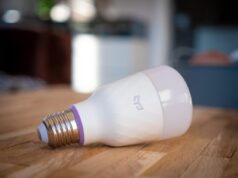

Do you ever feel like your morning is a race you are losing before it even begins? Most of us wake up and immediately start juggling a dozen small tasks that drain our energy. Integrating personal routine automation into your lifestyle acts like a filter for your daily friction. By letting technology handle the boring, repetitive parts of your day, you gain back hours of mental bandwidth.
You do not need a degree in engineering to make this work for your own home. It is about setting up systems that trigger themselves so you can focus on things that actually matter. When you stop worrying about mundane settings or scheduling, you find more room for creative work or just simple rest.
How Personal Routine Automation Simplifies Your Morning
The beauty of personal routine automation lies in how it links your devices together to perform a sequence of actions. Instead of waking up and manually adjusting the thermostat, checking the weather, or starting your coffee machine, these things happen on their own. You start your day with a calm environment that is already prepared for your presence.
Think about the energy you spend making tiny decisions. When your home lighting adjusts to a warm hue at a set time and your news briefing starts playing as you head to the shower, your brain stays focused on your goals. You remove the decision fatigue that usually clouds your early hours. It is like having a digital assistant that never sleeps and never forgets a step.
Designing Your First Automated Workflow
Start small so you do not get overwhelmed by all the options. Pick one annoying task you repeat every single day and find a way to make it automatic. You might want to look at how to Unlock Savings: Essential Smart Consumption Hacks for Daily Life while you set up your new systems. Saving money and saving time often go hand in hand when you build a smart home setup.
Most modern hubs allow you to create “scenes” or “routines.” A good place to begin is a “leaving home” routine. With one tap, or even a voice command, you can make sure all your lights turn off, your smart locks engage, and your thermostat shifts to an eco-friendly mode. This simple step saves you from the worry of wondering if you left something on while you are out.
Choosing the Right Tools for Your Needs
You do not need to buy every new gadget on the market. In fact, keeping things simple often makes for a more stable system. Look for devices that talk to each other through universal standards. When your smart plugs, lights, and sensors use the same language, you avoid the headache of broken connections.
Focus on workflow efficiency when you pick your gear. Ask yourself if a specific tool actually saves you time or if it just adds another app to your phone. The goal is to spend less time managing your technology. Your tech should work in the background, out of sight and out of mind, until you need it.
Creating Better Habits With Smart Tech
You can use these tools to enforce better personal habits without needing willpower. If you want to drink more water, set a smart light near your desk to pulse a specific color at set intervals. If you struggle with screen time at night, have your home network automatically limit access to social media sites after a certain hour.
Technology serves as a great nudge for your behavioral patterns. By setting up these triggers, you create an environment that encourages the life you want to lead. It is much easier to stick to a good plan when your surroundings are designed to support it.
Maintaining Your Setup for Long Term Success
Once you have your systems in place, you should check on them every once in a while. Software updates and app changes can sometimes reset your preferences. Taking ten minutes once a month to review your automated tasks keeps everything running smooth. It prevents small tech issues from turning into major annoyances later.
Always keep your system simple enough that someone else could understand it if they came over to visit. If you ever have guests, they should be able to turn on a light without needing a PhD in computer science. Good design makes life easier for everyone, not just the person who set it up.
Building these habits changes the way you view your daily responsibilities. You move from being a person who reacts to their environment to one who builds the environment they need. Your time is your most valuable asset, so protecting it with smart systems is one of the best investments you can make for your future self.
For more smart tips and insights, visit **[Nova Astrax](https://novaastrax.com)**