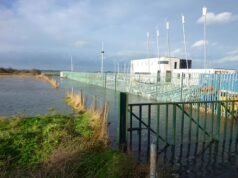
Overview of the Al-Sheeb Crossing Situation
The decision by Iraq to shutter the Al-Sheeb border crossing with Iran in late October 2026 serves as a critical indicator of Prime Minister Ali al-Zaidi’s administration. The government is attempting to balance the necessity of border security with the risks of economic instability and foreign policy entanglement. While the current impact is largely confined to Maysan Province, a more expansive shutdown of trade routes could jeopardize bilateral trade, which reached US$8.9 billion during 2024–25, and hinder Iraq’s ambitions to become a logistics hub.
Competing Political Pressures
The administration faces conflicting demands: Washington expects Iraq to curb the transit of Iran-backed militias and smuggling, while Tehran insists that Baghdad take action against Iranian Kurdish opposition groups operating within its borders. Government officials, including spokesman Haider al-Aboudi and adviser Abdul Amir Tayban, have provided inconsistent justifications for the closure, citing everything from technical readiness to drug interdiction. Meanwhile, the Iranian government has challenged the legitimacy of the move, noting they received no prior notification.
Economic Impact and Future Risks
Locally, the closure has sparked protests among workers, truck drivers, and merchants, leading to increased costs for basic goods like produce and poultry. While some trade might be diverted to crossings with Turkey or Jordan, such transitions are neither seamless nor inexpensive. Furthermore, the potential for US$60 billion in planned U.S. investments—spanning energy, healthcare, and infrastructure—remains vulnerable to the climate of uncertainty created by these border policies. The U.S. Central Command’s establishment of Task Force Iron Gate in November 2026 to monitor ground routes further complicates the environment for international investors.
Development Road and Institutional Stability
The 1,200-kilometer Development Road, an ambitious US$17 billion project intended to link the Grand Faw Port to Turkey, faces ongoing questions regarding its commercial viability. Although the government has made progress on design and land registration, the project remains susceptible to regional tensions and the need for clear, transparent financing. For foreign firms, the priority is not merely trade volume but the predictability of regulations and the security of infrastructure. As noted by Eurasia Review, the long-term success of such initiatives depends on Iraq building its own robust institutions rather than acting as a proxy for external powers.
Why it matters
The border closure highlights the precarious position of the Iraqi government as it attempts to assert sovereignty while navigating intense pressure from both Washington and Tehran. If Baghdad fails to manage this transition through transparent, professional customs enforcement, it risks alienating essential foreign investors and triggering domestic unrest. Ultimately, the ability to maintain economic stability while securing its borders will determine whether Iraq can achieve its goals for regional integration or become further ensnared in broader geopolitical conflicts.

Nova Astrax covers crypto, fintech, finance, health and wellness, AI and future tech, and practical life hacks — with original analysis and daily news from around the world.