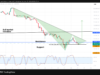
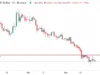
Between November 12 and 15, Bitcoin experienced a significant price correction, dropping from approximately $76,000 to $62,000. Data analysis indicates this decline resulted from a convergence of four distinct economic forces that triggered a broad market-wide derisking event.
Higher interest rates and geopolitical pressure
Macroeconomic shifts began long before the November drop. Following the start of the Iran conflict in late February, inflation concerns prompted the Federal Reserve to raise rates to a range of 3.75% to 4.00% in September, while 10-year Treasury yields climbed from 4.18% in January to 5.2% by mid-October. This environment made cash more attractive, challenging the appeal of holding volatile assets like Bitcoin.
Inflation data released on November 10 showed a 0.4% monthly increase, surpassing expectations. Consequently, the probability of a 25-basis-point rate hike in December surged to roughly 94%. On November 12, Cleveland Fed President Beth Hammack emphasized the necessity of higher rates to combat demand, while geopolitical uncertainty regarding Iran further incentivized investors to move away from risk. Data from Glassnode shows stablecoin supply has contracted at its fastest rate since June 2022, reflecting a reduction in crypto liquidity.
The impact of AI equities and mega-IPOs
The stock market also faced turbulence, particularly within the AI sector. Nvidia shares fell 9.3% on November 5 and an additional 10% on November 12 following the resignation of Jensen Huang. This decline contributed to a broader exit from high-risk assets. Simultaneously, capital was redirected toward the Anthropic IPO, which sought to raise over $80 billion in total. Historical comparisons, such as the SpaceX listing in June, suggest that significant liquidity events can often lead to Bitcoin price compression as speculative capital shifts focus.
US-led selling and leveraged liquidations
Evidence suggests the selling pressure originated in the United States. Bitcoin spot ETFs experienced $3 billion in net outflows between October 30 and November 13. Furthermore, the Coinbase premium dropped to its lowest 30-day average since February, indicating that US-based investors were the primary sellers. This pressure was compounded by mining companies like MARA and Riot, which faced profitability challenges as revenue per unit of computing power dropped to roughly $28 per petahash daily.
The decline was exacerbated by high leverage, as open interest had risen 12% to 353,000 BTC in the 30 days leading up to the crash. When the price broke, this leverage caused a cascading liquidation effect across major exchanges like Binance, OKX, and Bybit, where net perpetual taker selling reached approximately 2.55% of volume.
Why it matters
This event demonstrates how deeply integrated crypto markets have become with traditional macroeconomic indicators, such as Fed policy and equity sector rotations. The synchronized nature of this selloff suggests that Bitcoin is increasingly treated as a high-beta risk asset that reacts sharply to liquidity constraints and capital competition from institutional-grade investment opportunities.
Source: features.llama.fi

Nova Astrax covers crypto, fintech, finance, health and wellness, AI and future tech, and practical life hacks — with original analysis and daily news from around the world.