

A £12.4m innovation fund aims to make foster care more flexible, inclusive and better suited to modern life
For Chanice, the difference began with weekends. Not a single life-changing moment, but ordinary time spent with someone who kept coming back. There were trips to the theatre, new places to visit, things to learn and a relationship that grew slowly into something enduring.
“Having a Weekender is different from having a parent,” she tells Positive News magazine. “For me it was about having someone who kept showing up, who took me to new places, taught me things, introduced me to theatre and believed I could do more. When you are in care, people can come and go, so having a consistent adult who is still there years later really matters. [Carer] Sara became part of my life, not just for a weekend, but for the long term.”
That idea – that a child in care may need not only a foster home, but a wider circle of adults who can stay close over time – is at the heart of a new effort to rethink fostering in England.
The government has launched a £12.4m Fostering Innovation Fund, designed to help modernise foster care and make it more accessible to a wider range of people. It forms part of a wider government pledge to create 10,000 additional foster care places during this parliament, amid concern that the number of approved fostering households has fallen in recent years.
At the end of March 2025 there were 42,190 fostering households in England, with numbers having declined steadily since 2021, according to Ofsted. The number of mainstream local authority fostering households has fallen particularly sharply in recent years, while charities and fostering organisations have warned that too many children cannot currently be matched with the right family, in the right place, at the right time.
The decline is less a story of people caring less, and more a sign that the system has made it too hard for many of the right people to step forward, and too hard for some existing carers to stay.
The new fund is not simply about asking more people to do an already difficult job. Its ambition is to change who feels fostering is possible for them in the first place.
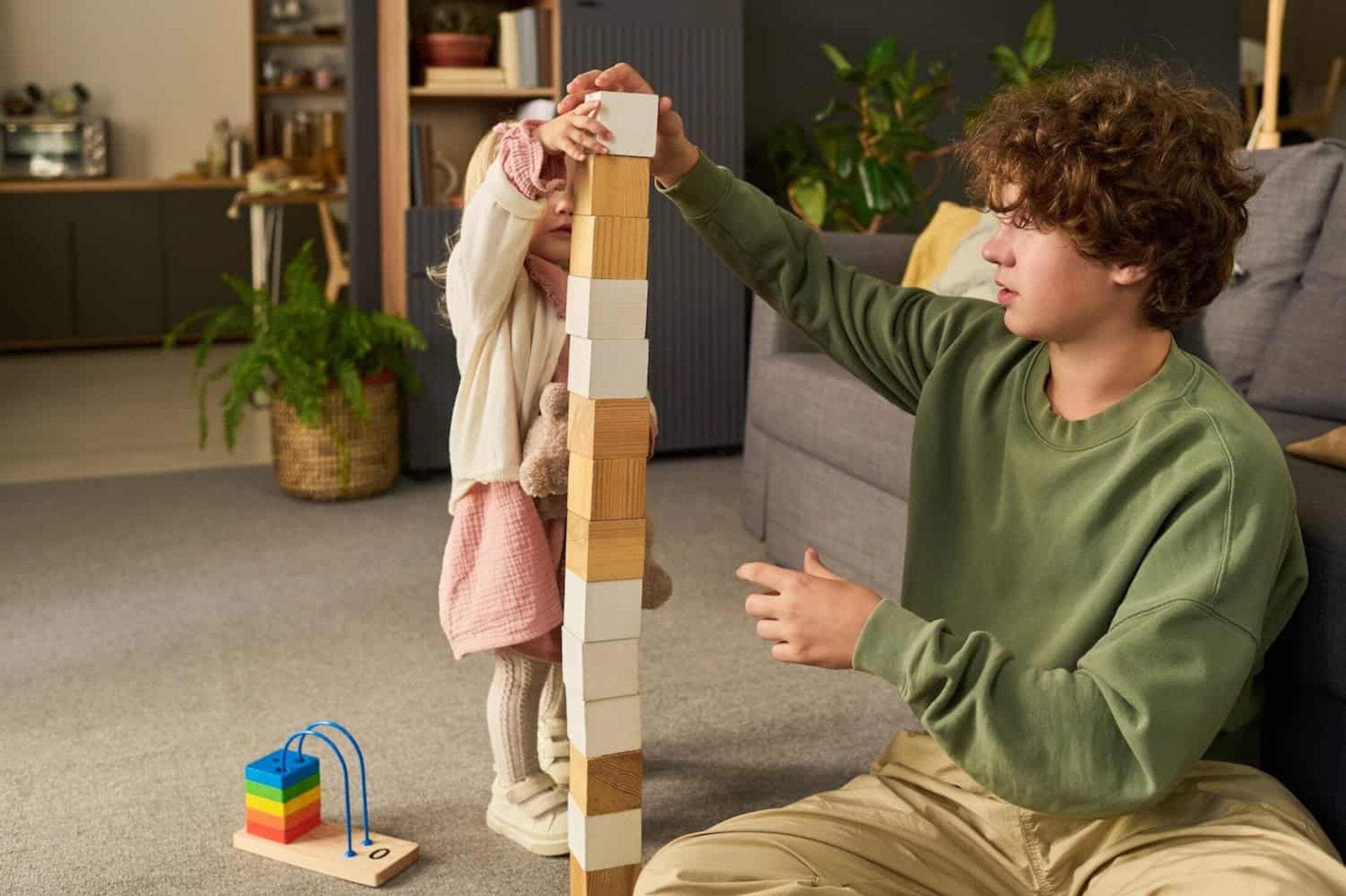

The idea that a child in care may need not only a foster home, but a wider circle of adults who can stay close over time, is at the heart of a new effort to rethink fostering in England. Image: Pressmaster / Shutterstock
For years, fostering has often been imagined through a narrow picture of family life, built around a couple, a spare room and at least one adult with enough time to provide care in a fairly traditional way. That model will continue to be right for many children and many carers, but it does not reflect the full range of households, working patterns and support networks that exist now.
The new approach is intended to test ways of making fostering more flexible, without weakening safeguarding or lowering the level of care children receive. That could mean supporting carers to make better use of the space they already have, creating stronger local clusters of support around foster families, or developing models in which people offer regular weekend care or respite, building long-term relationships with children while supporting full-time carers.
One example already being developed is Weekenders, led by NOW Foster, which gives people a route into building a relationship with a child when full-time fostering is not possible.
For me it was about having someone who kept showing up, who took me to new places, taught me things, introduced me to theatre and believed I could do more
Sara Fernandez, NOW Foster’s chief executive, knows the power of that model personally. She first met Chanice when she was 26 and did not feel able to foster full-time.
“We started with weekends and sleepovers, doing very ordinary things: swimming, bike rides, knitting, crochet, theatre trips, cooking and chatting,” says Fernandez. “Over time, those ordinary weekends became an enduring relationship, still going strong over 12 years later. That is what is so powerful about the Weekenders model. It gives people a flexible, realistic route into being there for a child, more like an auntie, uncle or godparent, while giving children another trusted adult who is committed to them as they grow up. It helped me learn more about fostering and I went on to do other fostering roles over the years too,” she says.
More flexible routes into fostering aren’t aiming to replace full-time foster care but instead, look to strengthen it, offering children more trusted adults and giving potential carers the confidence, training and experience to consider taking on more in future.


More flexible routes into fostering aren’t aiming to replace full-time foster care but instead, look to strengthen it, offering children more trusted adults and giving potential carers the confidence, training and experience to consider taking on more in future. Image: fizkes
Other models are trying to tackle different barriers. Room Makers, for example, supports carers to adapt their homes so they can welcome a child or keep siblings together. In Greater Manchester, one foster carer who had been limited by space was given a £7,800 grant through the scheme to reconfigure her home and will soon be able to care for siblings.
The Mockingbird model, meanwhile, builds constellations of foster families around a central “hub home”, so carers and children are not left to manage alone. It is a simple but powerful insight: foster families, like any families, are more likely to thrive when they have practical help, friendship and people nearby who understand what they are carrying.
Amy Burns, who is care experienced, describes what the absence of that support can feel like.
“There were two years between Mum dying and being fostered,” she says. “There was breakdown. There was chaos. There was danger. And then there was a new home, a new start and a new village. My foster family saved my life, as much as my social workers, as much as anyone who came before. You don’t have to be a full-time foster carer to make a difference. A village for someone who is care experienced might look like teachers, neighbours, people from past foster placements. But it has to exist.”
You don’t have to be a full-time foster carer to make a difference
Fostering is not easy, and presenting it as a simple act of kindness would be misleading. Children in care may have experienced grief, trauma, neglect, instability or repeated moves. Foster carers need proper training, respect, financial support and access to skilled professionals when things become difficult.
Children’s minister Josh MacAlister said the investment would help move fostering “into the 21st century”, by opening it up to a wider range of people and changing more children’s lives through stable homes.
The test now is whether that ambition reaches children quickly and carefully enough. The strongest reforms will be those shaped not only by systems and targets, but by the voices of people who know what care feels like from the inside.
For Chanice, the lesson is simple. A weekend was never only a weekend. It was a beginning, and it became a relationship that lasted.
Main image: Pressmaster / Shutterstock
Be part of the solution
At Positive News, we’re not chasing clicks or profits for media moguls – we’re here to serve you and have a positive social impact. We can’t do this unless enough people like you choose to support our journalism.
Give once from just £1, or join 1,800+ others who contribute an average of £3 or more per month. Together, we can build a healthier form of media – one that focuses on solutions, progress and possibilities, and empowers people to create positive change.
Support Positive News

