


- ETH/BTC ratio plunged below 0.02843 after hitting a 10-month low, which means that Ethereum is underperforming Bitcoin.
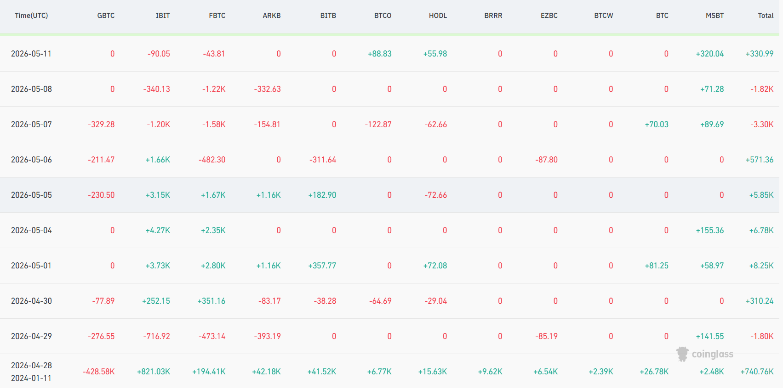
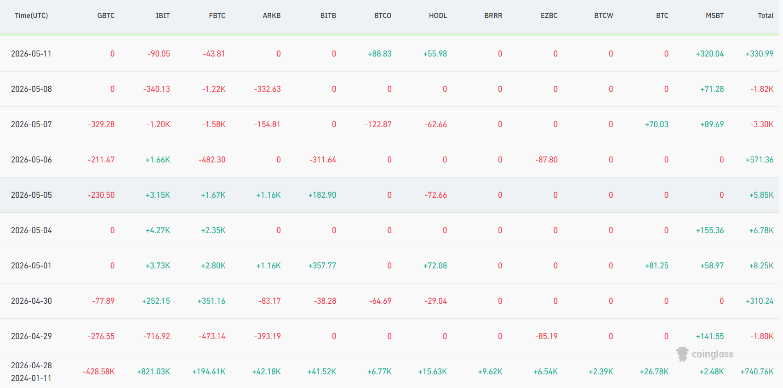
- In the last few weeks, institutional investors have heavily invested money into Bitcoin ETFs, while ETH spot ETFs are still facing major outflows. This has created major divergence in the allocation of capital between the two major cryptocurrencies.
- Some experts are suggesting that this is a major structural change in the crypto market instead of a short-term change.
Despite the upward momentum in the Bitcoin (BTC) price as it soared above $80,000, Ethereum is still facing a strong consolidation zone as it is trading between a tight range at around $2,280 to $2,330.
According to the official data on TradingView, the ratio between EthereumETH-2.33% and Bitcoin has dropped below 0.02843, which shows that the ratio is hitting a multi-month low.
According to the tracker, the figure is around a 10-month low for the ETH/BTC ratio. The drop in the ratio shows that Ethereum is underperforming in comparison to Bitcoin. In recent months, the crypto market has experienced a roller coaster ride, where it dipped in the initial months of this year. However, in comparison to BTC, Ether experienced a major dip and is facing difficulty in the rebound. ETH has bled more against BTC in the last few months. The ratio has dropped impressively in the last few months, falling approximately 9.5% in the previous month. In the last 6 months, the ratio plunged by 15%.
BitMart Shares Detailed Analysis on ETH/BTC Ratio
In the latest post on X, BitMart, a cryptocurrency exchange, shared its detailed analysis of the current ETH/BTC ratio. The exchange stated that the ETH to BTC ratio has dropped below a 10-month low, which mainly comes from divergent capital flows.
BitMart has called this situation a structural shift instead of just a temporary change. The exchange mentioned that a huge divergence in institutional capital is changing how the two biggest cryptocurrencies are performing relative to each other. Amid this change, traders are also changing their trading strategies according to the current situation in the crypto market, as many think that Bitcoin will continue to decouple.
BitMart analyst stated in the post, “This divergence between the two largest cryptocurrencies highlights the importance of strategic portfolio management. The days of simply buying both and expecting correlated returns are over. Investors must now carefully analyze flow dynamics, on-chain metrics, and shifting narratives to identify true relative strength.”
Most institutional investors are diverting their money into Bitcoin-based investment products such as spot BTC exchange-traded funds (ETFs), leaving other altcoins in the dry state. In the last few weeks, spot BTC ETFs have had steady inflows thanks to easing geopolitical tension after the ceasefire between the U.S. and Iran. On the other hand, Ethereum is struggling to attract capital on the same scale as BTC.

(Source: Coinglass)
In the last few weeks, BTC exchange-traded funds have witnessed a growth in institutional adoption with major inflows. This growing adoption among institutional investors is proving BTC’s position as “digital gold” and a store of value.
“For example, in early May 2026, BlackRock’s iShares Bitcoin Trust (IBIT) alone attracted hundreds of millions in inflows over just a few days. This represents a concentrated, high-velocity injection of capital directly into Bitcoin, establishing a powerful directional bias that Ethereum currently lacks,” stated in the post.
While ETH exchange-traded funds are also available in the market from the same issuers, these ETH ETFs have witnessed major outflows in the same time period. This shows that institutional investors are not putting their investment in the ETH spot ETF, as outflows reached around $555 million in one session. According to technical experts, these outflows are directly linked to regulatory uncertainty around the ETH tokens.
BTC is benefiting from improving macroeconomic conditions and the constant accumulation of tokens by treasuries. This advantage has helped BTC to accumulate more corporate and institutional money in comparison to ETH.
Bitcoin and Ethereum Supply Dynamics and Staking vs. Sell Pressure
Ethereum is holding a large percentage of its total supply locked in staking. According to the official data, there are around 40 million ETH tokens locked in staking. These staked tokens are cutting down the amount of liquid supply available for trading. This could create scarcity in the long run. However, this staking mechanism is not enough to offset other pressures facing the asset.
On the other hand, BTC is facing exchange inflows and selling pressure from long-term holders during different market cycles. Despite this, BTC is still holding its narrative as a scarce asset during the risk-off in the overall crypto market.
However, if the Ethereum ecosystem grows in the upcoming time, then it might again regain its dominance like in the past. For example, in the 2021-2022 DeFi summer, ETH managed to outperform BTC during the same trading session.
In 2021-2022, the Ethereum blockchain witnessed a sharp demand after the network experienced growth in the on-chain activities, thanks to DeFi protocols and non-fungible tokens (NFTs). During the peak time, the total value locked in DeFi soared above $100 billion while its gas fees were low.
Also Read: Circle’s New Arc Network Strategy Could Change Its Valuation

