

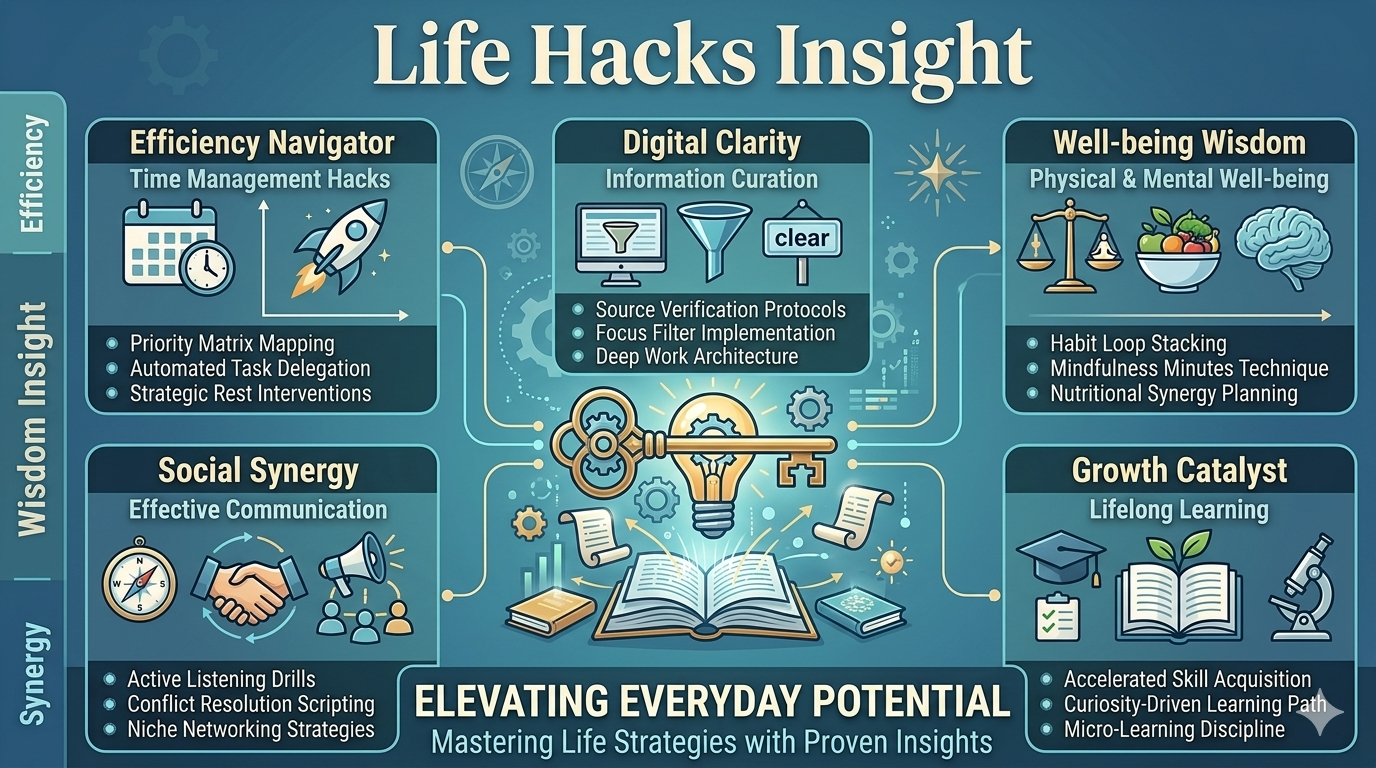
When faced with the relentless demands of modern life, the ability to manage one’s focus and productivity can feel like an elusive superpower. True productivity is not about endless hours of work, but about optimizing attention and energy. This involves adopting a holistic approach that encompasses digital discipline, cognitive enhancement, and robust organizational systems. By mastering these interconnected pillars, individuals can not only increase their output but also foster a greater sense of control and well-being.
The Digital Sanctuary: Cultivating Intentional Technology Use
In an era defined by constant connectivity, our digital environment often becomes a primary source of distraction. Digital minimalism is a philosophy that advocates for a more intentional relationship with technology, focusing on tools that genuinely add value while actively minimizing those that detract from well-being and productivity. This approach involves a conscious decluttering of digital habits, re-evaluating app usage, and setting firm boundaries Establishing Digital Boundaries
Setting clear boundaries around technology use is paramount. This can involve scheduling specific times for checking emails and social media, turning off non-essential notifications to prevent constant interruptions, and creating “screen-free zones” in homes. Regularly assessing technology use and asking whether it aligns with personal values and supports well-being is key.
Intentional Technology Adoption
Instead of passively adopting every new tech trend, digital minimalists prioritize tools that serve a clear purpose. This might mean keeping an app that enhances connection with distant loved ones or deleting one that primarily leads to mindless scrolling. The focus is on the ‘why’ and ‘how’ of technology use, not just the tools themselves.
Cognitive Fortitude: Enhancing Mental Performance
Beyond managing external digital distractions, strengthening cognitive functions is vital for sustained productivity. This involves actively engaging the brain through various activities and optimizing lifestyle factors that support mental acuity.
Brain Training and Stimulation
Just as physical exercise strengthens the body, various cognitive activities can enhance mental skills such as attention, focus, memory, and processing speed. Engaging in activities like reading, puzzles, learning new skills, or even strategic video games can challenge the brain and improve its capabilities. Techniques like mindfulness meditation, deep breathing exercises, and visualization can also significantly improve mental clarity, reduce stress, and boost concentration by retraining the brain to focus on the present moment.
Lifestyle Optimization for Cognitive Health
The foundation of strong cognitive performance is a healthy lifestyle. Ensuring adequate sleep, maintaining a balanced diet, and incorporating regular physical activity are crucial. Physical exercise, in particular, has been shown to boost executive functions, improve attention spans, and enhance cognitive flexibility. Stress reduction is another critical component; chronic stress can impair working memory and cognitive function, making stress-management techniques like meditation or short breaks essential for maintaining mental sharpness.
The Architecture of Action: Advanced Organizational Systems
Effective organization goes beyond simple to-do lists; it involves creating robust systems that streamline daily actions, reduce decision fatigue, and ensure consistent progress. These systems centralize information, connect intentions with execution, and facilitate regular reviews. Centralization and Task Management
Fragmentation of tasks, notes, and reminders across different platforms leads to mental overload. A core principle of effective organization is to centralize everything in one accessible place. Task management tools are essential for organizing tasks, breaking down complex projects into manageable steps, and decluttering the mind. The principle of “two actions” or “two clicks” for digital tasks emphasizes simplicity and efficiency in system design.
Planning, Prioritization, and Review
Connecting tasks to actual calendar commitments is crucial; tasks without scheduled time are mere intentions. This involves separating planning from doing, and scheduling specific blocks of time for focused work. Regular weekly reviews, rather than constant micro-tracking, help maintain momentum without causing fatigue. This structured approach allows for strategic prioritization, ensuring that energy is directed towards high-impact activities.
### Embracing Digital Minimalism in Organization
The principles of digital minimalism can be applied to organizational systems as well. This means being intentional about the tools used, decluttering unnecessary apps and subscriptions, and setting boundaries for digital communication. For instance, turning off non-essential notifications or scheduling specific times for communication can significantly reduce distractions and mental load.
In conclusion, achieving peak productivity and organization in the modern world requires a multifaceted approach. By cultivating a digital sanctuary, strengthening cognitive fortitude, and implementing advanced organizational systems, individuals can navigate the complexities of daily life with enhanced focus, efficiency, and a profound sense of accomplishment.
For more exclusive updates and deep market analysis, visit Nova Astrax.