

Embarking on a journey toward optimal health and well-being often involves navigating a complex landscape of dietary advice and wellness trends. However, a foundational practice that consistently underpins sustainable healthy living is mindful eating. This approach, far from being a restrictive diet, is a powerful tool for cultivating a more positive and intuitive relationship with food, ultimately fostering better physical and mental health. By focusing on the present moment during meals and paying attention to our body’s natural hunger and fullness cues, we can unlock a more harmonious way of nourishing ourselves.
The Core Principles of Mindful Eating
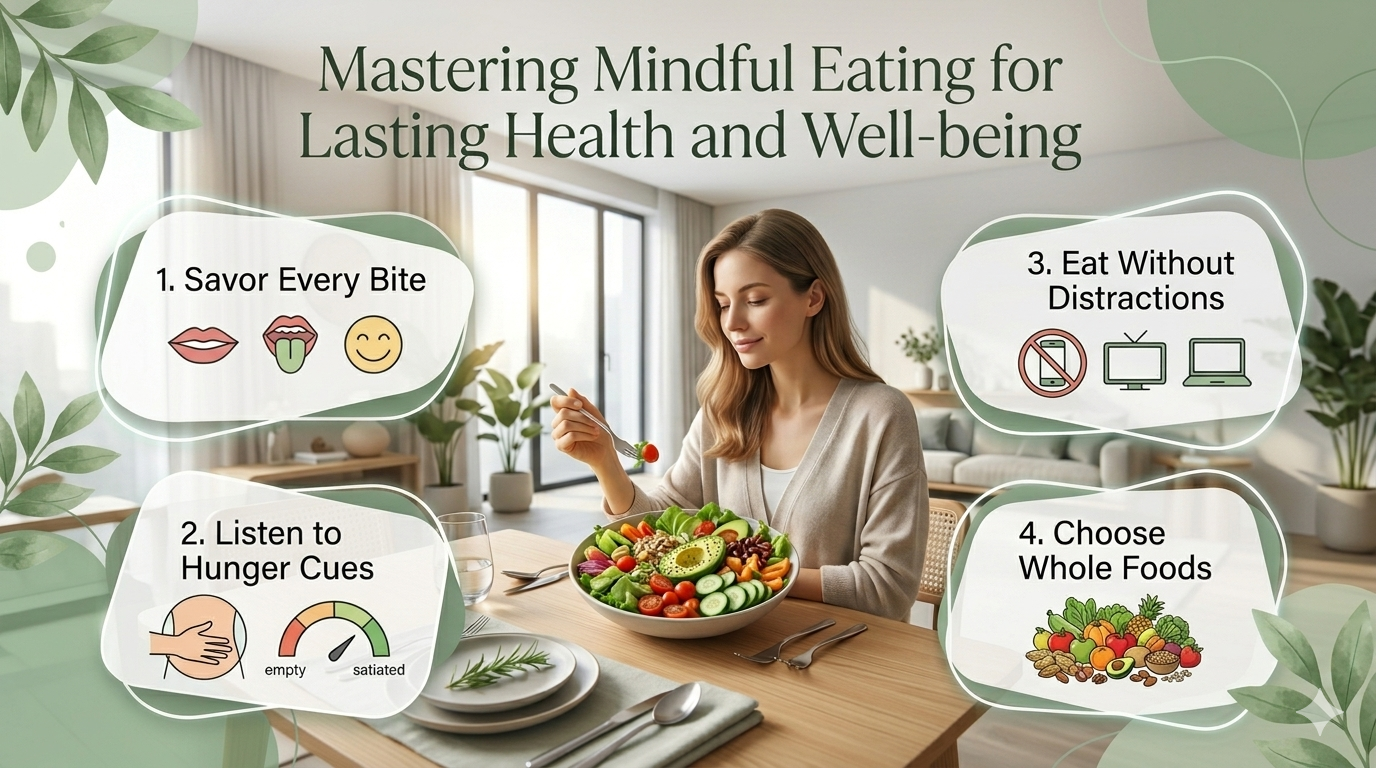
At its heart, mindful eating is about bringing intentional awareness to the experience of eating. It involves engaging all of your senses – sight, smell, taste, touch, and even sound – as you consume your food. This practice encourages a slowing down, a deliberate pause in our often rushed daily lives, allowing us to truly savor each bite. Instead of eating on autopilot while distracted by screens or work, mindful eating asks us to be fully present, observing the textures, flavors, and aromas of our meals.
This heightened awareness extends beyond the sensory experience to a deeper understanding of our body’s signals. Mindful eating teaches us to differentiate between physical hunger and emotional cravings, recognizing when we are eating out of boredom, stress, or sadness rather than genuine physiological need. It also emphasizes paying attention to the subtle messages of satiety, learning to stop eating when comfortably full, rather than overindulging.
Cultivating a Deeper Connection with Your Food
One of the most profound benefits of mindful eating is the way it can transform our relationship with food. When we eat mindfully, we begin to appreciate the journey our food has taken to reach our plates, from the soil and the sun to the hands that prepared it. This appreciation can foster a sense of gratitude and respect for the nourishment we receive.
This practice also helps to dismantle the often fraught emotional connections we develop with certain foods. By observing our thoughts and feelings around food without judgment, we can begin to disentangle guilt or shame from eating, replacing it with a more balanced and accepting perspective. This can be particularly helpful for individuals struggling with disordered eating patterns or a history of dieting.
Practical Strategies for Incorporating Mindful Eating
Integrating mindful eating into your life doesn’t require drastic changes or rigid rules. It’s about making small, consistent shifts. Begin by choosing a single meal or snack each day to dedicate to mindful practice.
During this meal, eliminate distractions. Turn off the television, put away your phone, and step away from your work. Set the intention to be present. Before you start eating, take a moment to observe your food. Notice its colors, shapes, and arrangement on the plate.
As you take your first bite, engage your senses fully. Notice the aroma, the temperature, and the initial flavors. Chew your food slowly and deliberately, paying attention to the textures and how the flavors evolve. Between bites, place your fork or spoon down and take a breath. This simple act encourages a slower pace and allows your body time to register fullness.
Throughout the meal, check in with your body. Ask yourself: “Am I feeling hungry?” “Am I starting to feel satisfied?” “Am I truly enjoying this?” Listen to your body’s responses and adjust your eating accordingly.
The Benefits Extend Beyond Nutrition
The impact of mindful eating extends far beyond the immediate experience of a meal. Regular practice can lead to a host of positive outcomes for both physical and mental well-being.
Physically, mindful eating can aid in better digestion as chewing food more thoroughly and eating at a slower pace allows the digestive system to work more efficiently. It can also contribute to weight management not through restriction, but by fostering a greater awareness of hunger and fullness cues, naturally leading to more balanced intake. Some individuals find that this approach helps them to reduce cravings for unhealthy foods and increase their consumption of nutrient-dense options.
Mentally and emotionally, the benefits are equally significant. By reducing stress around eating and fostering self-compassion, mindful eating can alleviate anxiety and improve overall mood. It empowers individuals to make more conscious choices about their food, leading to a greater sense of control and self-efficacy. This practice can also enhance your appreciation for food, transforming meals from a mere necessity into a source of pleasure and connection. For instance, understanding the value of preparation and mindful consumption can even be applied to how one accesses experiences, much like how buying tickets for an event might require a considered approach to avoid frustration; navigating AMC’s website for event tickets, for example, can take time, and approaching such tasks with patience and presence, even outside of eating, can reduce stress.
A Path to Sustainable Wellness
Mindful eating is not a quick fix but a journey of cultivating a more conscious and compassionate relationship with food and your body. It’s a practice that respects your body’s innate wisdom and encourages a lifestyle of balance and self-care. By embracing the principles of mindful eating, you can foster a more fulfilling, healthier, and sustainable approach to nourishment and overall well-being, creating a positive ripple effect throughout your life.
Conclusion
Adopting mindful eating practices offers a powerful pathway to enhanced health and well-being. By focusing on present moment awareness during meals, listening to your body’s signals, and cultivating a non-judgmental attitude towards food, you can transform your relationship with eating. This approach not only supports better digestion and weight management but also significantly contributes to improved mental and emotional health, leading to a more balanced and fulfilling life. Embracing mindful eating is an investment in your long-term wellness, fostering a sustainable and deeply rewarding connection with yourself and the food that nourishes you.