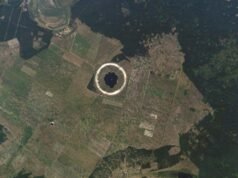
Since August, Peruvian security forces have intensified their efforts to disrupt the aerial logistics networks supporting cocaine trafficking in the Amazon. By utilizing a combination of drone reconnaissance, satellite imagery from the PerúSAT-1 system, and ground-based patrols, authorities are targeting clandestine airstrips and coca-paste production facilities in regions such as Loreto and Cusco. These efforts aim to intercept shipments destined for Bolivia, Brazil, and broader international markets.
The Challenge of Aerial Logistics
The geography of the Peruvian Amazon, characterized by dense foliage and vast, inaccessible terrain, presents significant obstacles for law enforcement. Criminal organizations capitalize on this environment by utilizing light aircraft to transport up to a ton of narcotics per flight. Ricardo Soberón Garrido, an expert on organized crime, noted that the region’s existing infrastructure—originally intended for legal activities like cattle ranching and crop dusting—has been repurposed by traffickers. There are currently over 400 clandestine airstrips identified in the Amazon, providing criminals with the flexibility to shift landing sites rapidly and avoid detection.
Integrated Surveillance and Enforcement
Security operations have increasingly relied on advanced technology to bridge the gap between intelligence and action. For instance, on September 8, the VRAEM Special Command utilized drones and helicopters to identify six active airstrips in the La Convención province of Cusco. Similarly, in early August, Operation Jaguar in Loreto successfully neutralized a clandestine airstrip and an active laboratory near the Bellavista de Callarú community.
Authorities are also focusing on the logistical infrastructure that sustains these operations. Recent raids, such as those in the Peruate and Platanal communities, have targeted not only production sites but also storage facilities, mechanical workshops, and food supplies. By dismantling these support structures, the military and police hope to prevent criminal groups from simply rebuilding at the same locations.
International Cooperation
Recognizing that drug trafficking is a transnational issue, Peru has engaged in multinational efforts to monitor its airspace. From August 27 to September 2, Peruvian personnel collaborated with U.S. forces to conduct surveillance missions using P-3 Orion aircraft equipped with infrared and radar technology. Furthermore, the World Customs Organization’s Operation COLIBRI ZAFIRO recently unified efforts across 19 countries. This initiative resulted in the identification of 86 clandestine airstrips and the seizure of 11 aircraft and nearly 1.2 tons of narcotics, demonstrating the effectiveness of cross-border data sharing.
Why it matters
The shift toward targeting the entire logistics chain—rather than just isolated airstrips—represents a more sophisticated approach to dismantling transnational criminal networks. By integrating satellite-backed surveillance with regional intelligence sharing, Peru and its allies are creating a more hostile environment for traffickers who rely on the anonymity of the Amazon to move illicit goods.
Source: dialogo-americas.com

Nova Astrax covers crypto, fintech, finance, health and wellness, AI and future tech, and practical life hacks — with original analysis and daily news from around the world.